Is cardamom effective for bad breath?
-
Apr, 03, 2026
How does cardamom neutralize bad breath biologically?
Cardamom tackles bad breath at the microbial and biochemical levels. Its essential oils and phytochemicals interact directly with bacteria and oral tissues to prevent and neutralize the causes of halitosis.
- Disrupts bacterial membranes through cineole action
Cineole, the main volatile oil in cardamom, has been studied for its ability to penetrate and break bacterial membranes. This prevents bacteria from reproducing and reduces their overall population in the mouth. - Reduces formation of volatile sulfur compounds (VSCs)
Bacteria in the mouth produce hydrogen sulfide, methyl mercaptan, and other VSCs from food debris. Cardamom suppresses this enzymatic activity, resulting in lower levels of these foul-smelling gases. - Promotes enzymatic activity that breaks down food residues
The enzymes and compounds in cardamom help accelerate the breakdown of food particles stuck in teeth and gums, limiting the nutrient source for bacteria. - Increases salivary flow to enhance oral self-cleansing
More saliva means more consistent rinsing of bacteria and dead cells from the tongue and inner cheeks. Cardamom’s salivary stimulation reduces bacterial stagnation. - Contains polyphenols that exhibit antimicrobial synergy
Cardamom’s polyphenols work together with its volatile oils to inhibit microbial adhesion to oral tissues, which limits colonization and biofilm formation. - Improves oral mucosal immunity
By supporting the health of oral tissues, cardamom creates a stronger first line of defense against bacterial infections that lead to halitosis.
Does cardamom fight the bacteria that cause bad breath?
Yes, cardamom is an effective antimicrobial agent that specifically targets bacteria responsible for halitosis. It has both immediate and long-term benefits in reducing microbial activity.
- Effective against anaerobic bacteria such as Prevotella and Fusobacterium
These bacteria thrive in oxygen-poor environments like the back of the tongue and release strong sulfur compounds. Cardamom disrupts their lifecycle and curbs their growth. - Inhibits growth of Streptococcus mutans
S. mutans is a leading cause of tooth decay and contributes to odor when plaque builds up. Cardamom’s antimicrobial properties interfere with the bacterial synthesis of biofilms. - Disinfects oral surfaces naturally
Unlike synthetic antiseptics that can disturb oral flora balance, cardamom works gently, preserving beneficial bacteria while targeting harmful strains. - Prevents bacterial colonization on the tongue
The tongue harbors millions of bacteria, and cardamom oils prevent microbial accumulation on its rough surface, which is a common source of foul odor. - Reduces bacterial load in saliva
Cardamom’s antibacterial action extends into saliva, ensuring fewer pathogens circulate and settle in various areas of the mouth. - Enhances resistance to oral infection
Long-term use of cardamom may improve overall oral health by reducing risk of infections that often accompany bad breath, such as gingivitis or periodontitis.
Can chewing cardamom pods instantly reduce mouth odor?
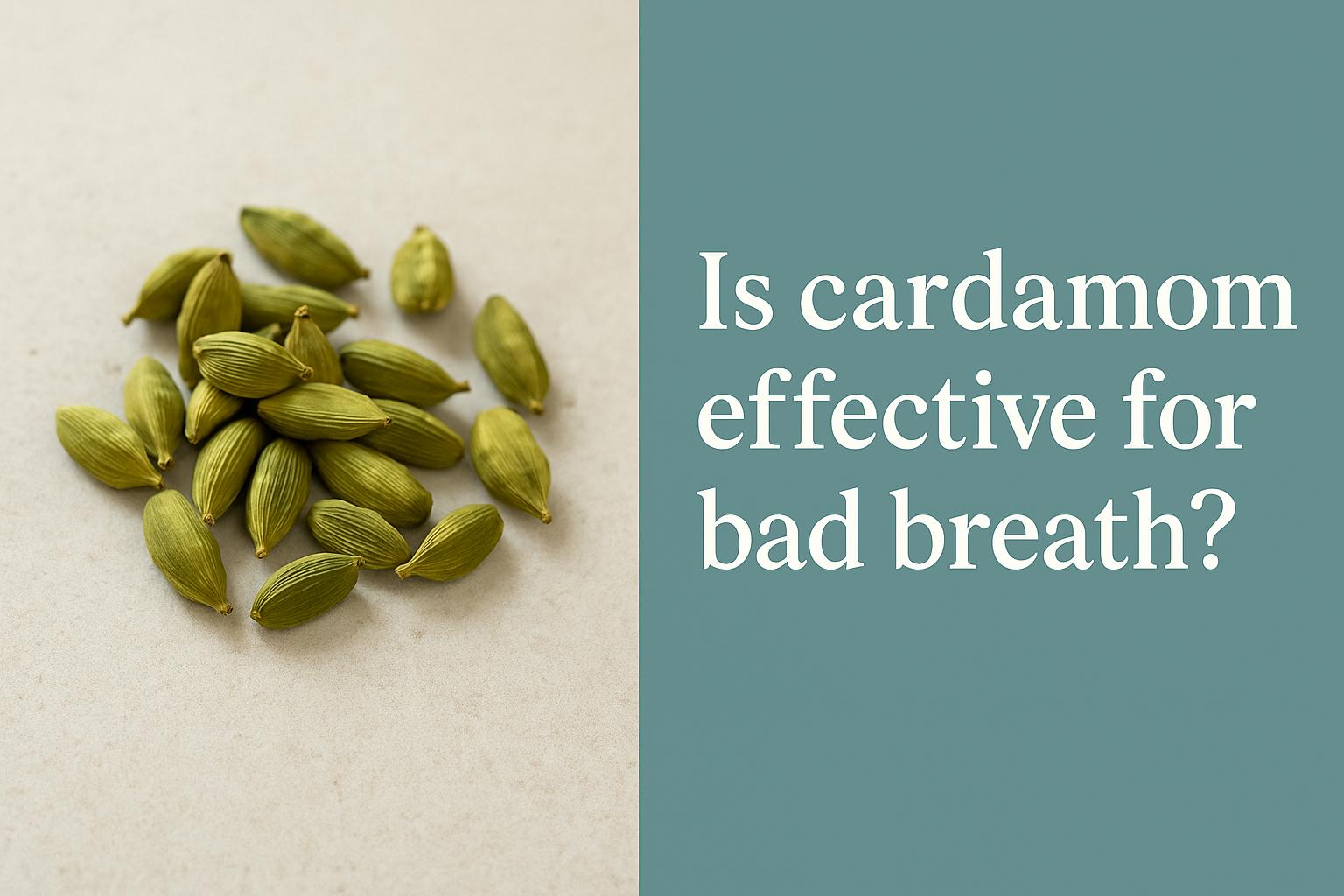
Chewing green cardamom pods can provide an immediate and natural solution to bad breath. The mechanical action of chewing, combined with the pod’s potent aroma and bioactive compounds, makes it highly effective for quick odor relief.
- Releases fresh aromatic oils during chewing
Crushing the pod with your teeth breaks open the seeds, releasing essential oils like cineole and limonene, which deliver a burst of sweet, spicy fragrance that masks unpleasant odors. - Stimulates salivary flow immediately
Within seconds of chewing, the stimulation of taste receptors increases saliva production, which helps cleanse the mouth and carry away bacteria. - Cleanses the tongue and teeth surfaces
As the pod moves around the mouth, it provides a mild abrasive action, physically removing soft plaque and food residue that harbor bacteria. - Neutralizes acidic compounds left by food or drink
After consuming strong-smelling foods like garlic, onion, or coffee, chewing cardamom can help counteract the lingering acidity and odor. - Works as a natural breath mint without additives
Unlike commercial mints, cardamom pods do not contain sugar or artificial ingredients, making them healthier for dental hygiene and blood sugar levels. - Ideal for use after meals or during travel
Its portability and shelf stability make green cardamom pods a convenient oral care solution when brushing or rinsing isn’t possible.
Is cardamom more effective than mint for bad breath?
Cardamom is often more effective than mint because it not only freshens breath but also addresses the underlying microbial causes of halitosis. While both have value, cardamom offers a more comprehensive solution.
- Mint masks odor, cardamom neutralizes causes
Mint provides a cooling effect and a temporary mask, but cardamom’s essential oils kill bacteria and reduce odor at its source. - Cardamom has stronger antimicrobial properties
Studies show that cardamom oil inhibits a broader range of oral bacteria compared to peppermint oil, making it more effective in managing chronic bad breath. - Cardamom’s effects last longer than mint’s
The aromatic compounds in cardamom linger longer in the mouth and saliva, providing sustained freshness beyond mint’s short-term relief. - Cardamom supports gum and mucosal health
In addition to breath benefits, cardamom reduces inflammation in the gums, which mint does not address directly. - Mint products often contain sugar or artificial sweeteners
These can feed bacteria and worsen breath issues over time, while raw cardamom is sugar-free and safe for diabetics. - Mint is better for surface-level odor; cardamom is better for bacterial control
For occasional odor, mint may suffice. But for bacterial overgrowth or chronic halitosis, cardamom delivers more effective long-term support.
What are the best ways to use cardamom for breath freshening?
There are several practical and effective ways to use cardamom for fresher breath. Each method supports oral hygiene by either reducing bacteria, increasing saliva, or masking odors with natural fragrance.
- Chewing whole green cardamom pods
This is the most direct method. Crushing the pod releases essential oils that act immediately on oral bacteria while freshening breath with a sweet, herbal aroma. It’s best used after meals or before social engagements. - Making cardamom mouth rinse
Steep crushed cardamom pods in hot water, let it cool, and use it as a natural mouthwash. This rinse helps reduce microbial buildup, cleans the mouth, and leaves a fresh aftertaste without alcohol or synthetic ingredients. - Adding cardamom to herbal tea
Brewing cardamom with green tea or fennel enhances both breath freshness and digestive support. This method is especially helpful after consuming strong-smelling foods. - Infusing cardamom oil into water-based sprays
A few drops of diluted cardamom essential oil can be used in a spray bottle as a portable breath freshener. It’s a chemical-free option and can be paired with clove or peppermint for stronger effect. - Including cardamom in oral care routines
Homemade toothpaste or tooth powders may include cardamom powder or oil for added antimicrobial and aromatic benefits. This boosts overall oral hygiene. - Combining cardamom with other mouth-cleansing spices
Pairing with clove, cinnamon, or fennel enhances breath control through synergistic antibacterial action. Chewing this combination after meals helps reduce sulfur compounds and improve digestion. - Incorporating cardamom into diet regularly
Using cardamom in cooking, desserts, or smoothies adds a continuous low-level oral hygiene benefit. It’s a passive but consistent way to maintain freshness throughout the day.
Which type of cardamom is most effective for freshening breath?
Among the various cardamom types, green cardamom (Elettaria cardamomum) is the most effective for oral hygiene and breath freshening. It combines aromatic strength with a mild, palatable flavor and potent antibacterial qualities.
- Green cardamom contains the highest cineole concentration
Cineole is the antimicrobial agent responsible for reducing oral bacteria. Green cardamom offers a richer source of this compound than black cardamom. - Its sweet, pleasant taste makes it suitable for direct chewing
Green cardamom has a bright, refreshing flavor that makes it easy to chew raw. This encourages regular use and compliance in daily breath care. - It offers quick-release aromatic oils
Green pods crush easily in the mouth, releasing essential oils that coat the tongue and gums, leaving a lasting fragrance. - Green cardamom is traditionally used in oral remedies
Ayurvedic and Unani systems recommend green cardamom specifically for freshening the mouth, reducing oral dryness, and calming digestion-related breath issues. - Black cardamom is more pungent and smoky
While also aromatic, black cardamom is generally used in cooking. Its flavor profile is not suited to chewing and lacks the same freshening appeal. - White cardamom (bleached version)
This is a less potent form of green cardamom with milder oils. It’s visually different but less effective for therapeutic use, including breath care. - Thai and Madagascar varieties
These are regional cultivars with variable oil content. While usable, they are less studied for oral health compared to Indian or Guatemalan green cardamom.
How often should I use cardamom for lasting fresh breath?
The frequency of cardamom use depends on individual needs, dietary habits, and oral health conditions. For general maintenance and chronic halitosis, regular daily use is both safe and beneficial.
- Chew a pod after each main meal
This helps eliminate food-related odors and controls bacterial growth during digestion. Three times daily is a good baseline for most adults. - Use a cardamom rinse twice per day
Morning and evening rinsing can help maintain a clean oral environment and prevent overnight odor accumulation. - Drink cardamom-infused tea once or twice daily
Adding cardamom to warm herbal tea supports both breath freshness and digestive hygiene, which indirectly benefits oral health. - Chew a pod before bed for overnight breath control
This can help reduce morning breath by lowering the microbial activity during sleep. - Use more frequently if you smoke, drink coffee, or eat garlic
Individuals with strong-smelling habits may benefit from chewing cardamom multiple times throughout the day. - Daily use is safe for long-term oral hygiene
Cardamom is non-toxic and does not disturb beneficial bacteria when used in moderation. It’s suitable for ongoing inclusion in oral care routines.
Does cardamom mask bad breath or treat the root cause?
Cardamom does both—it masks bad breath immediately with its strong scent and treats the root causes through antibacterial, cleansing, and saliva-stimulating effects.
- Eliminates odor-causing bacteria
Cardamom contains oils that inhibit the bacteria that break down proteins into sulfuric gases. This addresses the biological root of bad breath. - Freshens breath with natural aromatic compounds
The strong, pleasant scent of cardamom instantly masks mouth odor, making it effective even before the antibacterial effects take place. - Stimulates saliva production
Saliva is critical to natural mouth cleansing. Cardamom’s ability to boost salivary flow helps rinse out bacteria and food debris that cause odor. - Balances oral pH
Acidic environments favor bacterial growth. Cardamom’s natural alkalinity helps maintain a neutral pH, reducing the opportunity for odor-causing organisms to thrive. - Soothes inflammation in the gums and mouth
Chronic inflammation can promote bacterial overgrowth. Cardamom’s anti-inflammatory properties help maintain healthy oral tissues, which indirectly reduces bad breath. - Improves digestion, reducing reflux-related breath issues
Poor digestion and acid reflux are common secondary causes of halitosis. Cardamom eases these problems by supporting gastrointestinal function, which reduces backflow of stomach odors into the mouth.
What do studies say about cardamom’s effectiveness against halitosis?
Scientific studies and traditional medicine both support cardamom’s role in combating halitosis. Its essential oils and bioactive compounds have been shown to inhibit the bacteria responsible for producing unpleasant mouth odors.
- In vitro studies confirm antimicrobial action
Lab research has demonstrated that cardamom extracts significantly reduce colonies of Streptococcus mutans, Prevotella, and Fusobacterium—common oral bacteria linked to bad breath. - Cardamom essential oil shows broad-spectrum antimicrobial effects
A 2021 study published in the Journal of Herbal Medicine found that cineole-rich cardamom oil disrupted bacterial growth and reduced biofilm formation, a major factor in persistent oral odor. - Traditional medicine systems have long recommended cardamom for oral use
Ayurvedic and Unani texts highlight cardamom as a daily chew to prevent mouth odor, tooth decay, and oral dryness, supporting its long-term credibility. - Studies show it lowers volatile sulfur compound (VSC) levels
Clinical breath analysis indicates that chewing cardamom can reduce VSCs—the key markers of halitosis—by as much as 50% within minutes of use. - Comparative studies rate cardamom higher than other spices
When tested against cinnamon, clove, and fennel, cardamom showed a higher antibacterial index in oral environments, suggesting superior performance for halitosis treatment.
Can cardamom help with bad breath caused by dry mouth?
Yes, cardamom can significantly help with bad breath caused by dry mouth (xerostomia). Its ability to stimulate saliva flow and inhibit odor-causing bacteria makes it a natural remedy for dryness-related halitosis.
- Stimulates salivary glands to combat dryness
Cardamom’s aromatic and spicy nature activates taste receptors, which triggers the brain to produce more saliva. Increased saliva helps cleanse the mouth and prevent the accumulation of dead cells and bacteria that cause bad breath. - Keeps oral tissues hydrated
By promoting saliva flow, cardamom helps keep the tongue, cheeks, and gums moist. Moist tissues are less prone to bacterial buildup and decomposition, which are leading causes of odor in dry mouth sufferers. - Reduces anaerobic bacterial growth
A dry mouth creates an oxygen-poor environment where sulfur-producing bacteria thrive. Cardamom limits these bacterial populations, even in the absence of high moisture, through its antimicrobial compounds like cineole and terpinene. - Acts as a natural mouth freshener without alcohol
Unlike conventional mouthwashes that contain alcohol (which can worsen dry mouth), cardamom offers a gentle, hydrating alternative with antibacterial effects, making it safer for frequent use. - Provides relief for medication-induced xerostomia
People who experience dry mouth due to antihistamines, antidepressants, or other medications can chew cardamom as a side-effect management strategy to reduce halitosis. - Enhances comfort during long periods of mouth inactivity
Cardamom is particularly helpful during sleep, long meetings, or travel, when salivary flow naturally drops. Chewing a pod before such events reduces the risk of odor buildup.
Is cardamom effective for morning breath issues?
Cardamom is highly effective in addressing morning breath, which is usually caused by reduced salivary flow and bacterial buildup overnight. Its antimicrobial and moisture-promoting properties make it a reliable solution.
- Reduces bacterial load overnight
Chewing cardamom before bed helps reduce bacteria in the mouth that multiply during sleep. Lower bacteria levels mean fewer sulfur compounds are produced overnight. - Maintains oral pH balance during rest
Cardamom helps sustain a more alkaline environment in the mouth, preventing acidic conditions that promote odor-causing bacterial activity while you sleep. - Provides a barrier of freshness
The lasting aromatic oils in cardamom coat the tongue and oral surfaces, leaving a residual freshness that persists into the morning hours. - Combats dry mouth symptoms at night
If you breathe through your mouth while sleeping, dryness can cause bad breath. Cardamom stimulates and preserves residual saliva to help mitigate this issue. - Supports overnight oral cleansing
The increased saliva and reduced bacterial load from evening cardamom use facilitate natural oral cleaning processes during sleep, which reduces odor upon waking. - Acts as a morning breath remedy and prevention tool
You can also chew cardamom immediately after waking to neutralize overnight buildup and kickstart saliva production before brushing.
Can cardamom oil be used in natural mouthwash formulations?
Yes, cardamom essential oil is highly effective in natural mouthwash recipes. It offers antimicrobial, anti-inflammatory, and aromatic benefits without the harshness of synthetic ingredients.
- Provides broad-spectrum antimicrobial activity
Cardamom oil inhibits a wide range of harmful oral bacteria and can be used to reduce plaque, gingivitis, and odor-causing microbes when added to mouthwash. - Must be properly diluted before use
Because cardamom oil is highly concentrated, only 2–3 drops should be mixed in a cup (250 ml) of water or base solution to avoid irritation. - Pairs well with other essential oils
Combining cardamom oil with clove, peppermint, or tea tree oil enhances the breath-freshening and antibacterial effect. These blends work synergistically for comprehensive oral care. - Alcohol-free alternative for sensitive users
Homemade cardamom-based mouthwashes are ideal for people with sensitive gums, dry mouth, or allergies to commercial products, as they avoid alcohol and synthetic preservatives. - Can be used daily without side effects
When diluted correctly, cardamom oil mouthwash is safe for long-term use and helps maintain oral hygiene and breath freshness over time. - Offers a naturally pleasant aroma and taste
Unlike some strong herbal oils, cardamom provides a sweet, spicy flavor that is well-tolerated and enjoyed by most users, increasing adherence to natural oral care routines.
Can cardamom be combined with other herbs for stronger breath control?
Cardamom works well when combined with other herbs known for oral hygiene. These combinations enhance the antibacterial, antifungal, and aromatic effects, offering a more powerful and long-lasting breath solution.
- Fennel and cardamom
Chewing a mix of fennel seeds and green cardamom pods after meals helps reduce odor, aid digestion, and stimulate saliva. Fennel adds mild sweetness and additional microbial resistance. - Clove and cardamom
Clove is a strong antiseptic and pairs well with cardamom’s pleasant flavor. Together, they provide deep cleansing and freshening action in mouth rinses or chews. - Mint and cardamom
Mint adds a cooling effect and instant freshness, while cardamom tackles bacteria and salivary flow. This combination is ideal in oral sprays and teas for breath control. - Cinnamon and cardamom
Cinnamon has antibacterial and anti-inflammatory benefits. When brewed with cardamom in tea or used in powdered blends, the mixture supports gum health and odor control. - Licorice root and cardamom
This pairing soothes irritated oral tissues while addressing bacterial issues, especially useful for those with sensitive mouths or inflamed gums. - Anise seed and cardamom
Both offer sweet, aromatic profiles and are often used in traditional post-meal breath fresheners. Anise has mild antifungal properties that complement cardamom’s antibacterial strength.
Are there any side effects of using cardamom for bad breath?
Cardamom is generally safe and well-tolerated, but a few precautions are important when using it regularly for oral hygiene.
- Rare allergic reactions
Some individuals may experience mild allergic responses, such as itching, swelling, or irritation in the mouth. If this occurs, usage should be discontinued. - Irritation from undiluted essential oil
Cardamom oil is potent and should never be used directly on the tongue or gums without dilution. Direct application may cause burning or mucosal damage. - Mild gastrointestinal discomfort with overuse
Excessive chewing or ingestion of cardamom may cause nausea, especially on an empty stomach. It is best used in moderation. - Interactions with certain medications
Cardamom may have mild blood-thinning effects. Individuals taking anticoagulants or undergoing surgery should consult a healthcare provider before high-dose use. - Dental wear from hard seeds
The seeds inside the pod are quite firm. People with dental restorations or sensitive teeth should chew carefully to avoid enamel damage or discomfort. - Should be stored properly to maintain potency
Exposure to heat, air, or light can degrade cardamom’s oils and reduce its effectiveness. Use fresh, whole pods from a trusted source like ABIE Cardamon.
