
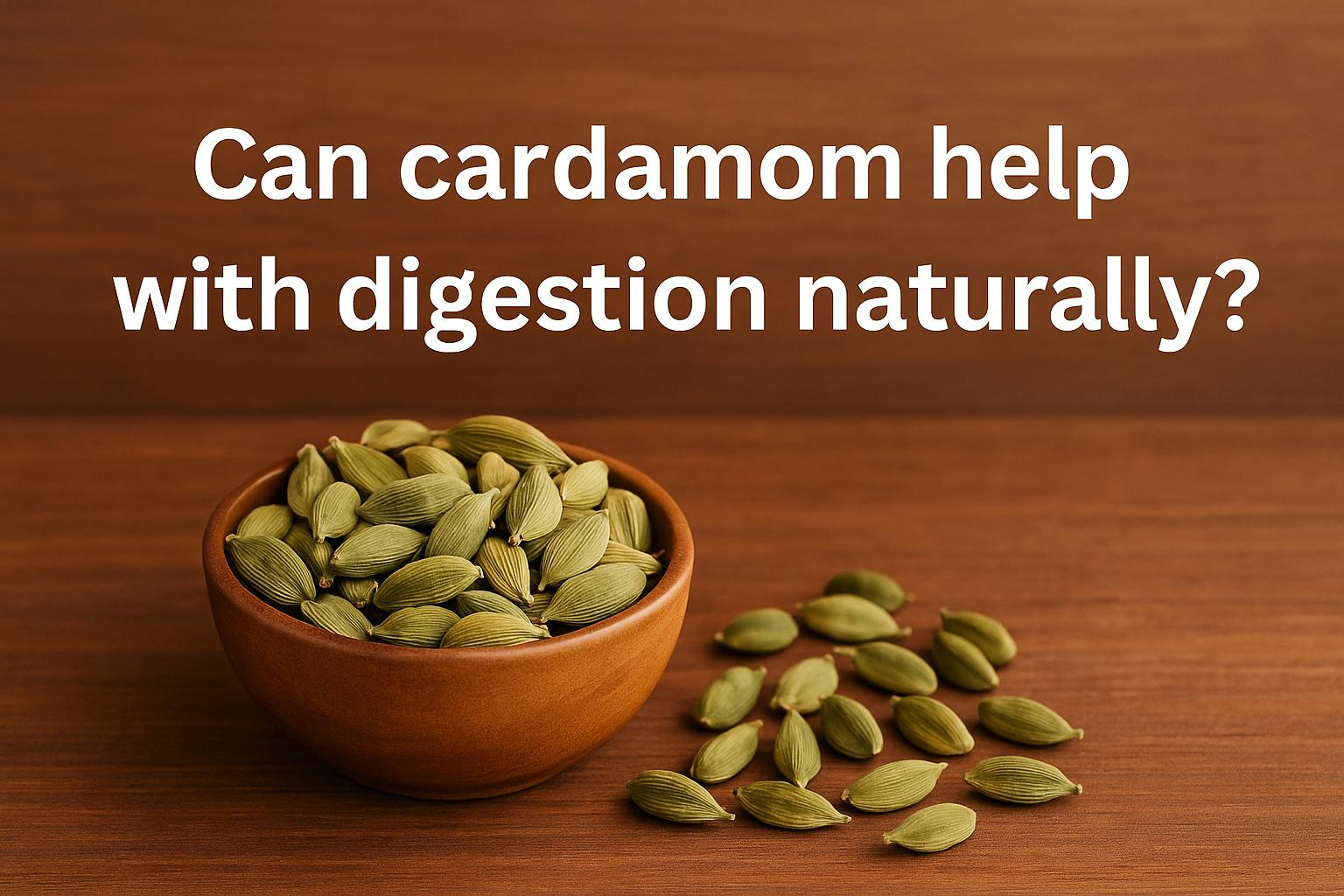
Can cardamom help with digestion naturally?
How does cardamom stimulate digestive enzymes?
Cardamom activates the body’s natural enzyme production, making digestion smoother and more efficient. This function is key to ensuring food is fully broken down and nutrients are properly absorbed.Boosts bile flow from the liver and gallbladderCardamom increases bile secretion, which is critical for breaking down dietary fats and aiding the emulsification process that helps enzymes do their job.Encourages secretion of amylase and lipaseThese enzymes break down carbohydrates and fats, respectively. By promoting their release, cardamom supports faster and more complete digestion of common food groups.Enhances protein digestion through pepsin activationCardamom helps activate enzymes like pepsin in the stomach, which breaks down proteins into amino acids, essential for tissue repair and muscle growth.Regulates pancreatic enzyme outputStudies have shown that cardamom influences the pancreas to release digestive enzymes like trypsin and chymotrypsin, improving protein and fat processing in the small intestine.Improves oral digestion with salivary stimulationChewing cardamom seeds increases saliva production, which contains amylase and initiates carbohydrate digestion even before food reaches the stomach.Supports thermogenic activityCardamom’s warming nature slightly raises metabolic activity, indirectly boosting enzyme function and promoting quicker digestive responses post-meal.
Can cardamom reduce bloating and gas naturally?
Yes, cardamom is one of the most effective natural remedies for relieving bloating and excess gas. Its carminative and anti-inflammatory compounds help ease abdominal discomfort and improve gastrointestinal flow.Relieves trapped intestinal gasCardamom helps relax the intestinal walls, allowing gas to move through the digestive tract more easily and reducing pressure and distension.Prevents fermentation of undigested foodPoorly digested food in the gut can ferment and create gas; cardamom aids enzymatic breakdown to minimize this cause of bloating.Reduces gut muscle spasmsIts antispasmodic effects calm overactive smooth muscles in the digestive tract, which may otherwise lead to cramping and bloating sensations.Combats gas-causing microbesThe essential oils in cardamom have antimicrobial effects against bacteria like Clostridium and E. coli, which are common culprits behind gas production.Enhances peristalsis (gut movement)Cardamom stimulates the movement of the intestines, helping to release built-up gas and prevent it from accumulating.Commonly used in gas-relieving formulasIn many cultures, cardamom is a staple in after-meal digestive mixtures or herbal decoctions specifically for flatulence control.Safe for chronic bloating sufferersUnlike synthetic drugs that may cause dependency or side effects, cardamom can be used long-term to support natural gas regulation.
Does cardamom help with acid reflux or indigestion?
Yes, cardamom helps control acid reflux and indigestion by soothing the stomach lining, balancing gastric acid levels, and promoting faster digestion.Neutralizes excess stomach acidCardamom has mild alkaline properties that help reduce hyperacidity and buffer gastric juices, offering relief from heartburn.Protects the stomach liningIt forms a gentle protective layer in the stomach and may reduce irritation caused by acidic or spicy foods.Speeds up stomach emptyingCardamom promotes faster digestion and gastric emptying, which reduces the risk of food sitting in the stomach and triggering acid reflux.Reduces inflammation in the esophagusWhen acid does back up, cardamom’s anti-inflammatory compounds like alpha-terpineol may reduce irritation and inflammation of the esophageal lining.Improves pH balance in the digestive systemRegular consumption of cardamom in teas or food can help maintain optimal pH balance, minimizing acidity-related discomfort.Effective when combined with soothing herbsPairing cardamom with herbs like fennel or ginger enhances its effectiveness against indigestion and reflux, as they work synergistically to calm the gut.
How does cardamom support gut motility?
Cardamom naturally enhances gut motility, helping food move efficiently through the digestive tract and preventing stagnation that can lead to constipation or bloating.Stimulates peristaltic movementCardamom activates smooth muscle contractions in the intestines, which promotes steady forward movement of digested material.Prevents constipation and sluggish digestionBy promoting regular bowel movements, cardamom prevents buildup in the colon and reduces the chances of reabsorbing toxins.Balances intestinal rhythmIt helps normalize the speed of digestion, whether the gut is overactive (diarrhea) or underactive (constipation), making it useful in variable motility issues.Increases bile flow to lubricate digestionCardamom boosts bile secretion, which not only breaks down fats but also helps food pass smoothly through the intestines.Reduces cramping during bowel movementIts antispasmodic action eases tension in the colon, which can help prevent painful or strained bowel movements.Used in constipation-relief formulationsMany herbal digestive blends use cardamom as a key ingredient for promoting regularity without dependence.Works without irritating the bowelUnlike harsh laxatives, cardamom stimulates motility without causing griping or urgency, making it safe for daily use.
Can cardamom reduce intestinal inflammation?
Yes, cardamom can help reduce intestinal inflammation through its anti-inflammatory, antioxidant, and antimicrobial properties. It supports gut health by calming irritation in the digestive lining.Contains powerful anti-inflammatory compoundsCardamom contains cineole, alpha-terpineol, and flavonoids, which have been shown to reduce inflammatory markers in the intestines when consumed regularly.Protects gut lining from oxidative damageIts antioxidant content, including quercetin and vitamin C, scavenges free radicals that may damage the intestinal lining and trigger inflammation.Supports healing in inflammatory bowel conditionsStudies suggest cardamom may be helpful in managing mild forms of IBD (Inflammatory Bowel Disease) like ulcerative colitis by reducing tissue swelling and discomfort.Reduces pro-inflammatory enzymesCardamom has been found to downregulate COX-2 and TNF-alpha enzymes that contribute to inflammation in the gastrointestinal tract.Combats microbial triggers of inflammationCardamom’s antimicrobial action targets harmful gut bacteria that can cause or worsen intestinal inflammation, such as Helicobacter pylori and Salmonella.Used traditionally for gut inflammationIn traditional Ayurvedic and Unani medicine, cardamom is often recommended with turmeric or fennel to relieve chronic digestive inflammation.
Is cardamom effective for IBS (Irritable Bowel Syndrome)?
Yes, cardamom is considered effective in managing IBS symptoms, thanks to its ability to reduce cramps, improve digestion, and ease both diarrhea and constipation without causing side effects.Relieves abdominal crampingCardamom’s antispasmodic action helps reduce painful intestinal contractions, which are common in IBS.Balances bowel irregularitiesWhether the user experiences constipation (IBS-C) or diarrhea (IBS-D), cardamom helps regulate digestive flow and restore normal rhythm.Reduces bloating and discomfortCardamom decreases gas formation and eases bloating, two hallmark symptoms of IBS, by enhancing enzyme secretion and reducing gut fermentation.Supports gut-brain axisCardamom has calming effects that reduce stress-related gut activity. This is important, as stress is a known IBS trigger.Anti-inflammatory benefits for IBS sufferersChronic low-grade inflammation is linked to IBS. Cardamom helps modulate inflammatory markers and supports intestinal healing.Can be used in daily IBS managementIt’s safe for daily use in food or herbal teas, making it a sustainable addition to IBS dietary protocols.
What active compounds in cardamom aid digestion?
Cardamom owes its digestive benefits to a range of natural compounds that work synergistically to stimulate enzymes, reduce inflammation, and fight harmful bacteria.CineoleA major volatile oil in cardamom, cineole has antiseptic and anti-inflammatory properties that soothe the gut and aid in digestion.LinaloolThis compound acts as a mild muscle relaxant, helping reduce spasms and cramping in the digestive tract.Alpha-terpinyl acetateA natural ester that contributes to cardamom’s anti-inflammatory action and pleasant aroma, supporting digestive comfort.LimoneneKnown for its fat-digesting abilities, limonene enhances the emulsification of fats and reduces bloating caused by fatty meals.BorneolBorneol supports the flow of digestive juices and has mild analgesic properties that can ease stomach discomfort.FlavonoidsThese plant-based antioxidants protect the digestive system from oxidative stress and support tissue repair.Volatile oilsThese oils stimulate the salivary glands and stomach lining, boosting enzyme production and initiating the digestive process.
Can cardamom improve nutrient absorption?
Yes, cardamom helps the body absorb nutrients more efficiently by supporting enzyme function, improving intestinal permeability, and reducing inflammation that can block absorption.Boosts enzyme function for full food breakdownCardamom enhances the secretion of amylase, lipase, and protease enzymes, allowing carbohydrates, fats, and proteins to be thoroughly digested and absorbed.Improves small intestine absorption surfaceIts anti-inflammatory effects maintain the integrity of the intestinal villi—the finger-like structures responsible for nutrient uptake.Reduces intestinal inflammation that impairs absorptionChronic inflammation can reduce the gut’s ability to absorb nutrients. Cardamom minimizes this by calming the gut environment.Balances digestive pH for enzyme efficiencyProper pH levels are critical for nutrient digestion. Cardamom helps maintain optimal pH levels in the stomach and intestines.Prevents microbial overgrowthOvergrowth of harmful bacteria like Candida or H. pylori can block absorption. Cardamom helps control these microbes and support a balanced gut biome.Used in malabsorption support regimensIn holistic therapies, cardamom is often included in digestive blends to help individuals with leaky gut, celiac recovery, or general malabsorption.
Is cardamom a natural remedy for stomach cramps?
Yes, cardamom is widely used as a natural and effective remedy for stomach cramps. Its antispasmodic, warming, and muscle-relaxing properties make it useful for a variety of digestive discomforts.Eases intestinal muscle spasmsCardamom relaxes smooth muscles in the GI tract, which helps relieve the sharp pains often caused by gas, indigestion, or IBS.Reduces pain from menstrual-related crampsWhen cramps are related to menstruation but felt in the gut, cardamom offers fast relief without harsh side effects.Provides warm, soothing comfortThe spice has a naturally warming quality that promotes circulation in the abdominal region, relaxing tight muscles.Relieves post-meal crampingAfter heavy or poorly digested meals, cardamom can ease the discomfort that stems from cramping or bloating.Fast-acting when consumed as tea or chewedCrushed pods or cardamom tea work within 20–30 minutes, providing prompt relief compared to many commercial options.Safe for children and adultsCardamom is gentle and safe when used in appropriate amounts, making it a go-to option for families seeking natural relief for stomach discomfort.
How to use cardamom in herbal teas for digestive support?
Cardamom tea is one of the most effective ways to support digestion naturally. It’s easy to prepare, gentle on the stomach, and can be consumed daily.Boil crushed cardamom pods for infusionUse 2–3 lightly crushed green cardamom pods per cup of water. Simmer for 5–7 minutes to release its active compounds like cineole and limonene.Combine with digestive herbs for synergyAdd fennel, ginger, or peppermint to enhance carminative effects. These combinations improve gas relief, cramping, and bloating.Drink after meals to aid digestionConsuming cardamom tea 10–15 minutes after eating helps reduce heaviness, boosts enzyme activity, and encourages proper nutrient breakdown.Use as part of a morning detox routineDrinking a warm cup of cardamom tea first thing in the morning can stimulate bile flow and support daily bowel regularity.Sweeten naturally with honey if neededFor added taste and prebiotic benefits, raw honey can be added after brewing. Avoid sugar, which may disrupt digestive balance.Safe for long-term useCardamom tea is non-habit forming and free of side effects, making it safe for continuous use in wellness regimens.Adjust strength based on sensitivityFor sensitive individuals, one pod may be sufficient. Gradually increase strength based on tolerance and digestive needs.
How does cardamom work in Ayurvedic digestion practices?
In Ayurveda, cardamom is known as “Ela” and is widely used to support digestion across all three doshas—Vata, Pitta, and Kapha.Balances all three doshasCardamom is considered “tridoshic,” meaning it harmonizes the body’s constitution, especially when digestion is weak or disturbed.Ignites Agni (digestive fire)It stimulates “Agni,” the metabolic fire responsible for breaking down food and transforming it into energy and tissue.Removes Ama (digestive toxins)Ama refers to toxic buildup caused by incomplete digestion. Cardamom helps clear these residues from the GI tract.Used in Churna and decoction formsCardamom is mixed with herbs like ginger and trikatu to form powerful digestive blends (churnas) or boiled in water to make decoctions.Calms excessive stomach heat (Pitta)In cases of acid reflux or hyperacidity, cardamom’s cooling aftertaste helps soothe and cool internal inflammation.Combines with milk for nighttime digestionAyurveda recommends boiling cardamom in milk at night to support overnight digestive repair and calm Vata energy.Used in post-meal rituals (Paan)Cardamom is often included in post-meal herbal chews in Indian traditions, aiding breath, digestion, and detoxification.
Can cardamom help detoxify the digestive tract?
Yes, cardamom supports natural detoxification of the digestive system by promoting elimination, reducing microbial toxins, and enhancing bile flow.Stimulates bile production for fat detoxCardamom increases bile output, which emulsifies fats and helps clear waste through the liver–gallbladder–intestine pathway.Eliminates waste through colon supportIts mild laxative effect supports healthy bowel movements, helping the body expel waste and toxic metabolites.Neutralizes internal toxins (Ama)Cardamom breaks down undigested food particles that could otherwise ferment, rot, or form sticky toxins in the gut.Controls harmful microbial growthThe spice’s natural oils inhibit bacteria like Candida albicans, E. coli, and others that produce endotoxins and disrupt digestion.Rich in antioxidants that support liver detoxDetoxification starts in the liver, and cardamom’s flavonoids and terpenes protect liver cells from oxidative stress.Can be taken during fasting or cleansingDuring juice cleanses or intermittent fasting, cardamom tea helps maintain gut warmth, bile flow, and elimination without food.
What is the best time to consume cardamom for digestion?
The timing of cardamom consumption can influence its effectiveness in supporting digestive health. It can be adapted for different daily needs.After mealsTaking cardamom after meals enhances digestion, prevents bloating, and reduces gas. It works by stimulating gastric enzymes immediately post-consumption.First thing in the morningConsuming cardamom tea on an empty stomach gently activates metabolism and supports regular bowel movements.Before sleepA warm cardamom milk or tea at bedtime supports digestive repair during rest and helps calm the nervous system.With warm water before mealsTaking cardamom with warm water 10–15 minutes before eating primes the digestive system and prepares the body for food intake.During stressful periodsCardamom can be taken during emotional stress, as it calms the gut-brain axis and prevents stress-induced digestive issues.With travel or heavy mealsCardamom chews or teas are useful before or after rich meals and while traveling to help the stomach adjust to new foods.
Are there side effects of using cardamom for digestion?
Cardamom is generally safe when used in culinary or therapeutic amounts, but like any herb, it should be used wisely based on individual health status.Generally well-tolerated in food amountsMost people can safely consume 1–3 grams daily without any issues. It’s a common spice in everyday cooking across cultures.Excessive use may cause mild reactionsVery large doses (over 6–10 grams per day) might cause nausea or discomfort in sensitive individuals due to its strong oils.Caution in gallstone conditionsPeople with gallstones should consult a doctor, as cardamom increases bile flow which might trigger gallbladder contractions.Potential for allergic response (rare)Allergies to cardamom are rare but possible. Signs include skin rash, shortness of breath, or itching.Drug interaction is unlikely but possibleCardamom may slightly affect the metabolism of certain medications. Always consult a healthcare provider when using alongside long-term medication.Safe during pregnancy in moderate amountsSmall amounts used in food or tea are safe, but concentrated extracts should be used only under professional supervision during pregnancy.
