How do I infuse cooking oil with cardamom?
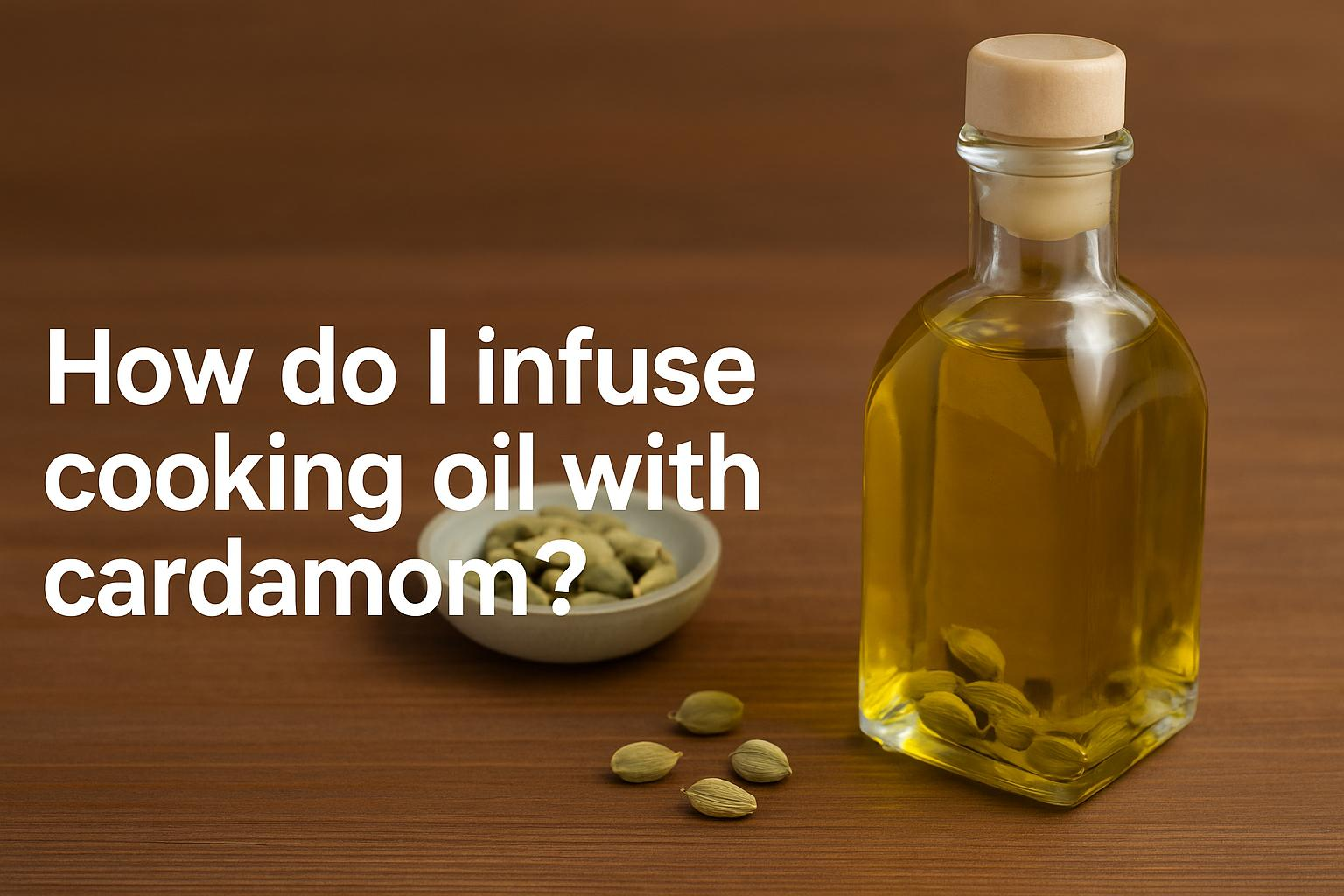
How do I infuse cooking oil with cardamom step by step?To infuse cooking oil with cardamom, you need to release the spice’s essential oils into a neutral base oil using a controlled process that preserves both aroma and food safety.Start with a clean, dry pan and fresh, neutral oil.Use 1 cup of oil such as sunflower, grapeseed, or canola. These oils have a mild taste and high smoke point, which ensures they carry cardamom’s flavor without interference or breakdown during heating.Lightly crush 5 to 7 green cardamom pods.Use the flat side of a knife or a mortar and pestle to open the pods and expose the black seeds inside. This step enhances surface area, allowing the essential oils to seep into the hot oil more efficiently.Heat the oil gently over low heat.Maintain a temperature below 90°C (194°F) to avoid burning the oil or spice. If the oil starts to smoke, it’s too hot—remove it from heat immediately to preserve flavor and safety.Add crushed cardamom pods and stir occasionally.Let the pods steep in the hot oil for 5–7 minutes, gently stirring every 1–2 minutes. This consistent heat helps the flavor bloom without turning bitter.Turn off the heat and let the oil cool with the pods inside.Cooling the oil with the pods still submerged allows the infusion process to continue and deepen. This resting stage typically lasts 30–60 minutes.Strain the oil through a fine sieve or cheesecloth.Once cooled, pour the oil through a mesh strainer or layered cheesecloth to remove pods and seeds, leaving a clean, golden infusion with a rich cardamom aroma.Transfer to a sterile, airtight glass bottle.Choose dark-colored glass bottles when possible, as they protect the oil from light, which can degrade flavor and shorten shelf life.Label the bottle with the infusion date and store in a cool, dark place.For quality control and freshness, keep the infused oil away from direct sunlight or heat sources, ideally in a pantry or kitchen cabinet.
What is the best type of cooking oil to use for infusing with cardamom?The base oil you choose for infusion plays a key role in how well the cardamom flavor is preserved, delivered, and used in recipes.Choose a neutral-flavored oil to let cardamom stand out.Oils like grapeseed, sunflower, and canola do not have strong flavors of their own, allowing cardamom’s citrusy and floral profile to dominate.Select oils with a high smoke point for cooking applications.Grapeseed (smoke point ~420°F/215°C) and canola (~400°F/204°C) are stable under heat, making them suitable for sautéing, stir-frying, or baking with infused oil.Use extra virgin olive oil for raw or low-heat uses.While olive oil has a stronger flavor and lower smoke point, it works well in salad dressings or as a drizzle. Its bitterness may clash with cardamom in some recipes, so use selectively.Try almond or avocado oil for nutrient-rich, gourmet infusions.These oils are more expensive but add a rich texture and are often used in premium dressings or vegan recipes. They also complement cardamom in both sweet and savory formats.Avoid heavily refined or flavored oils like sesame or coconut.These oils carry strong natural notes that can overwhelm cardamom’s delicate aromatics and change the intended profile of your dish.Opt for organic, cold-pressed oils when possible.These oils retain more of their natural structure and pair better with whole food-based infusions like spices, herbs, and aromatics.Consider the end use—cooking vs. finishing.For high-heat cooking, durability matters. For garnishing or raw applications, go with oils that enhance presentation and flavor delivery.
Should I use whole cardamom pods or ground cardamom when infusing oil?Using whole pods is the preferred method when infusing cardamom into oil, primarily for clarity, control, and even flavor release.Whole pods provide clean, controlled flavor release.Crushed green cardamom pods slowly release oils when heated, allowing for better management of infusion strength and duration.Ground cardamom can cloud the oil and leave residue.Powdered spice disperses unevenly, making the oil look murky and harder to filter. It can also settle at the bottom and degrade faster.Crushing whole pods increases surface area without mess.Lightly crushed pods release volatile compounds while remaining easy to remove from oil during straining.Whole pods are easier to remove post-infusion.Straining whole pods and seeds through a fine sieve ensures a cleaner finish and longer shelf life of the infused oil.Ground cardamom can cause faster oxidation.The fine particles expose more surface area to air, which can result in a shorter shelf life and flavor degradation.Use ground cardamom only for immediate-use oil.If you need a quick-flavored oil for same-day use, a pinch of ground cardamom stirred into warm oil can work, but it’s unsuitable for storage.Whole pods preserve the essential oil’s integrity longer.The structure of the pod protects the inner seed oils from degradation, especially under moderate heat.
What is the ideal ratio of cardamom to oil for a flavorful infusion?Balancing the spice-to-oil ratio is essential to achieve a noticeable yet not overpowering flavor. The ratio varies slightly depending on your preferred intensity and method.Standard ratio: 5 to 7 pods per 1 cup (240ml) of oil.This is the most widely used baseline for general-purpose infusions that suit both sweet and savory dishes.For a mild infusion, use 3 to 4 pods per cup.This is ideal for oils used in salad dressings, glazes, or for pairing with other strong spices like turmeric or garlic.For a bold, aromatic result, use 8 to 10 pods per cup.This higher intensity suits dessert toppings, sweet sauces, or rich, creamy Indian dishes that benefit from heavy spice flavoring.Adjust pod count based on pod size and freshness.Fresher, plumper pods have stronger oils. If using older or smaller pods, increase the quantity slightly to compensate.If combining with other spices, reduce cardamom slightly.When infusing with cinnamon, clove, or star anise, reduce the cardamom to 4–5 pods per cup to avoid overwhelming the mix.Avoid excessive cardamom as it turns bitter when over-concentrated.Too many pods in a small oil batch can lead to an overpowering, medicinal taste—especially if steeped too long or overheated.Always test a small batch before scaling up.Infusion preferences vary by dish, so a small test run allows you to tweak ratios without wasting ingredients.
How long should I infuse cardamom in cooking oil for best results?Timing your infusion correctly ensures a balance between flavor release and freshness, while preventing the oil from turning bitter or stale.With gentle heat, infuse for 5 to 7 minutes.Low heat releases cardamom’s essential oils without burning them. Stir occasionally to distribute heat evenly.For cold infusion, steep for 3 to 5 days.Place crushed pods in oil inside a sealed glass jar and store in a cool, dark place. Shake once daily to promote flavor extraction.Avoid steeping longer than necessary.Over-steeping, especially in heat, can lead to bitterness and overpowering aroma that may not complement most recipes.Let the oil cool with the pods before straining.Post-heat resting time (30–60 minutes) enhances aroma as the oil fully absorbs remaining volatile compounds.Infusion time varies based on oil type and pod freshness.Fresh pods infuse more quickly. Thicker oils like avocado may need slightly longer to extract flavor uniformly.Taste-test the oil before straining in large batches.Dip a spoon into the cooling oil to test the intensity. If it’s too strong, reduce pod quantity in the next batch.Always strain after infusion to stop the flavor development.Leaving pods in the oil after cooling can continue the process and may lead to spoilage or imbalanced taste over time.
Which method is better for infusing oil with cardamom: cold infusion or heat infusion?Both cold and heat infusion methods are effective, but each serves a specific purpose depending on timing, flavor profile, and intended culinary use.Heat infusion is faster and suitable for immediate use.By gently heating the oil with crushed cardamom pods for 5–7 minutes, you accelerate the extraction of essential oils. This method is perfect for same-day cooking needs and for oils meant to be used in sautéing, roasting, or baking.Cold infusion provides a more delicate and complex flavor.In this method, the oil is left to steep with cardamom pods at room temperature or in a cool pantry for 3–5 days. This slower process retains more subtle top notes of the cardamom, which are often lost during heating.Use heat infusion when infusing large batches quickly.Restaurants or home cooks needing flavored oil for immediate service often prefer heat methods due to speed and consistent results.Use cold infusion for raw applications and sensitive oils.Oils used in salad dressings, raw sauces, or drizzles benefit from cold infusion to avoid degradation of flavor and nutrients.Cold infusion preserves the nutritional profile of the oil.Since there’s no heat involved, oils retain more of their original omega-3s, antioxidants, and fat-soluble vitamins, making the infusion healthier.Heat infusion carries a risk of overheating.If not closely monitored, the oil can smoke, and the cardamom may burn, leading to bitter or acrid notes in the final product.Cold infusion takes longer but has a lower spoilage risk when stored properly.When done in sterile jars with dry ingredients, the oil can last longer and develop a more rounded flavor.
Should I use green cardamom or black cardamom for oil infusion?Choosing between green and black cardamom depends on the flavor profile you want and the cuisine you’re preparing.Green cardamom is ideal for sweet and aromatic infusions.Its flavor is sweet, floral, and slightly citrusy, making it a perfect match for baked goods, fruit-based dishes, and light, fragrant cooking oils.Black cardamom is better suited for deep, smoky, savory flavors.It has a strong, earthy, almost menthol-like profile that works well in heavy stews, lentil dishes, or meat marinades.Green cardamom is more commonly available and versatile.It complements a wide range of global cuisines—from Indian to Scandinavian—and is the standard choice for most oil infusions.Black cardamom can overpower if used excessively.Due to its intense aroma, use no more than 1–2 pods per cup of oil if you’re aiming for a balanced flavor.Use green cardamom when infusing oil for desserts or fusion dishes.It enhances oils for cake batters, pastry fillings, granolas, and infused syrups.Use black cardamom when infusing oil for curries or barbecue sauces.Its bold flavor penetrates thick sauces and complements grilled or roasted meats.Both cardamom types can be used together in some complex oil blends.A mix of 2 green pods and 1 black pod per cup of oil can produce a nuanced profile, though it must be strain-tested first.
How do I filter and store cardamom-infused cooking oil properly?Proper filtering and storage ensure your infused oil remains flavorful, safe, and visually appealing over time.Use a fine mesh strainer or layered cheesecloth to remove solids.Straining immediately after the infusion cools prevents further flavor extraction and removes particles that can spoil quickly.Sterilize the storage container before filling.Wash and dry a glass jar or bottle thoroughly, then sterilize it with boiling water or alcohol to prevent microbial growth.Choose dark glass bottles to block light exposure.Light accelerates oil oxidation, which can alter flavor and reduce shelf life. Amber or cobalt glass provides natural protection.Seal the bottle airtight to avoid oxygen degradation.Oxygen exposure can cause the oil to turn rancid. Use a tight-fitting cap or swing-top lid to lock in freshness.Label the bottle with the infusion date.Knowing the preparation date helps track freshness and ensures timely use within the oil’s effective lifespan.Store in a cool, dark place such as a pantry or cabinet.Avoid placing infused oils near stoves, ovens, or sunny countertops, as heat degrades both the oil and cardamom aromatics.Refrigerate if using sensitive oils like flaxseed or avocado.These oils have shorter shelf lives and benefit from cold storage. Note that refrigeration may cause cloudiness, which is reversible when the oil returns to room temperature.Inspect regularly for signs of spoilage.Discard the oil if it smells rancid, has visible mold, or shows cloudiness that doesn’t clear when warmed.
What is the shelf life of cardamom-infused cooking oil?Shelf life depends on the base oil, storage conditions, and infusion method used. Proper handling can preserve the oil’s quality for several weeks.Typically, cardamom-infused oil lasts 3 to 4 weeks at room temperature.If made with stable oils like grapeseed or sunflower and stored correctly, the flavor and aroma remain intact for nearly a month.Refrigerated oil can last up to 6 weeks.Cold storage slows oxidation and microbial growth, extending shelf life—but may temporarily alter oil clarity and pourability.Oils with moisture content spoil faster.If pods weren’t fully dry or the container was damp, microbial growth could set in within 1–2 weeks. Always use dry ingredients and tools.Watch for signs of rancidity or fermentation.A sour, stale, or metallic smell means the oil has gone bad and should be discarded immediately.Use smaller batches to minimize waste.Making 1/2 cup to 1 cup at a time ensures you can use it up before flavor or quality starts to fade.Unfiltered oil spoils faster.Leaving cardamom pods or ground bits in the oil encourages quicker degradation. Always strain thoroughly before storage.Date labeling helps manage usage and safety.Always write the date of infusion on the label so you can track freshness over time.
What are the best culinary uses for cardamom-infused oil?Cardamom-infused oil adds depth and aroma to a wide range of dishes across sweet and savory cuisines.Drizzle over roasted vegetables for exotic flavor.A light coating on carrots, sweet potatoes, or squash brings out caramelization while adding warmth and citrusy aroma.Use as a base oil in rice or couscous.Replacing plain oil with cardamom oil when cooking grains infuses the entire dish with subtle complexity.Mix into vinaigrettes or yogurt-based dressings.A tablespoon blended with lemon juice, vinegar, and herbs creates a floral and tangy topping for green salads or fruit bowls.Stir into batter for pancakes, cakes, or cookies.In baking, cardamom oil can replace part of the fat component, enhancing spice cakes, banana bread, or spiced muffins.Brush onto flatbreads, naan, or pizza crust.Apply with a pastry brush after baking to add aroma and gloss to bread-based dishes.Use in Indian or Middle Eastern cooking.Cardamom oil works well in biryanis, lentil stews, and spiced tomato sauces, adding signature fragrance and richness.Drizzle over desserts like ice cream or puddings.A few drops elevate vanilla ice cream, rice pudding, or fruit salad with a sophisticated spiced edge.Combine with honey for a glaze or sauce.Cardamom-infused oil mixed with warm honey makes an excellent glaze for chicken, lamb, or grilled tofu.
Are there safety tips I should follow when infusing oil with cardamom?Yes. Infusing oil with spices like cardamom requires careful handling to prevent contamination, bitterness, or fire hazards.Always use completely dry spices and utensils.Moisture introduces the risk of bacterial growth or mold. Cardamom pods, storage jars, and strainers must be fully dry to avoid spoilage.Never leave oil unattended while heating.Heating oil, even at low temperatures, can quickly escalate and cause fires if left unsupervised. Stay close and monitor closely during infusion.Avoid overheating the oil.Oil should be gently warmed, not brought to a boil. Overheating leads to degradation of cardamom’s flavor and increases the risk of acrid taste or burning.Use clean, sterilized containers for storage.Jars and bottles should be sterilized with boiling water or food-safe alcohol to prevent microbial contamination that can shorten shelf life.Strain the oil completely to remove solids.Leaving cardamom pieces in the oil encourages faster degradation and can introduce food safety risks. Always use fine mesh or cheesecloth to remove particles.Do not store infused oil for more than 4 weeks at room temperature.Even when strained, oils can go rancid over time. If you notice an off smell or change in color, discard the oil immediately.Label and date every batch clearly.Proper labeling helps track freshness and prevents accidental use beyond its safe shelf life.
Can I combine cardamom with other spices when infusing cooking oil?Yes, combining cardamom with other spices can create complex, aromatic oil blends suited to specific cuisines or dishes.Cinnamon and cardamom pair well for sweet or baking oils.A mix of 2 cinnamon sticks and 5 green cardamom pods per cup of oil creates a fragrant blend ideal for baking or drizzling over desserts.Combine with star anise or cloves for a warming effect.These spices enhance cardamom’s richness and work well in mulled syrups, chai-inspired dishes, or winter spice glazes.For savory infusions, pair cardamom with cumin or coriander seeds.This combination suits Indian cooking, rice dishes, or roasted vegetables. Toast all spices briefly before adding to oil for deeper flavor.Use turmeric for golden-colored, earthy oil.A teaspoon of turmeric powder combined with green cardamom gives the oil both visual appeal and anti-inflammatory properties—ideal for curries and soups.Balance ratios to prevent one spice from overpowering others.For example, if using strong spices like cloves or black pepper, reduce quantity to 1–2 per cup of oil to avoid bitterness.Strain thoroughly when infusing with multiple spices.Complex spice blends can leave more residue. Double-layer cheesecloth for a clearer final product.Experiment with small test batches before scaling.Start with 1/2 cup of oil to test your preferred blend of spices and fine-tune ratios based on flavor intensity.
How can I infuse cooking oil with cardamom for vegan and plant-based recipes?Cardamom-infused oil is naturally vegan and enhances the flavor of plant-based meals without artificial additives.Use cardamom oil as a finishing touch on roasted legumes.Drizzle over roasted chickpeas, lentils, or butter beans to add depth and subtle sweetness without animal-based flavorings.Incorporate into plant-based curries and stews.Stir a tablespoon into lentil dals, coconut milk soups, or tofu-based curries for added fragrance and spice layering.Use in vegan baking instead of butter-based flavoring.Mix into batters for banana bread, oat muffins, or date cakes as a dairy-free alternative that adds warmth and complexity.Create cardamom-based salad dressings with tahini or lemon.Combine with citrus juice, garlic, tahini, and maple syrup for a creamy vegan dressing with a Middle Eastern flavor profile.Brush onto grilled vegetables or plant-based meats.Use cardamom oil to glaze grilled zucchini, mushrooms, or meat substitutes like seitan or tempeh for an elevated finish.Drizzle on hummus, baba ganoush, or vegan dips.Add a teaspoon before serving for a refined, restaurant-style presentation and added flavor boost.Combine with coconut oil in raw vegan desserts.Cardamom-infused coconut oil pairs well with cashew-based frostings or no-bake crusts for exotic, sweet applications.
What should I do if my cardamom-infused oil turns cloudy or tastes bitter?Cloudiness or bitterness is a sign of spoilage, improper technique, or poor ingredient balance. Take action promptly to avoid unsafe consumption.Cloudiness often indicates moisture or spoilage.If your oil appears cloudy shortly after preparation and doesn’t clear at room temperature, it may have absorbed water and is no longer safe to use.Bitter taste is usually caused by overheating.When cardamom is exposed to too much heat, its volatile oils break down and develop bitter notes. Use lower heat next time and limit infusion time.Overuse of cardamom pods can cause imbalance.Using more than 10 pods per cup of oil may produce an overpowering or harsh taste, especially in heat-based infusions.Improper storage can degrade quality.Exposure to light, heat, or air can oxidize the oil, leading to off-flavors. Always store in dark, airtight containers.Strain again to remove any remaining residue.If cloudiness is due to particles, a second straining through double-layer cheesecloth may help restore clarity.Discard the oil if rancid, metallic, or fermented smells appear.These are clear signs of spoilage. Do not attempt to “fix” or reuse the oil in such cases.Review your infusion technique and ingredient quality.Always use fresh, dry cardamom and avoid grinding or blending into powder unless using immediately.
Does cardamom-infused cooking oil offer any health benefits or added nutrition?While primarily used for flavor, cardamom-infused oil may provide mild health benefits due to the spice’s natural compounds.Cardamom is rich in antioxidants.The essential oils in cardamom, such as cineole and limonene, have antioxidant properties that may support overall health when consumed in small amounts.May aid digestion.Cardamom has traditionally been used to relieve bloating, gas, and indigestion. When infused into oil, it can help make meals easier to digest.Natural alternative to salt and sugar in flavoring.Using infused oil allows cooks to reduce sodium or sugar content in recipes while maintaining bold taste, especially in dressings and glazes.Can freshen breath and support oral health.The compounds in cardamom are known for neutralizing odors and have mild antibacterial effects, which carry over in trace amounts through infused oil.Supports metabolic function in traditional use.In Ayurveda and traditional medicine, cardamom is believed to aid circulation and metabolism. While infused oil carries only light doses, it adds a functional layer to healthy meals.Infused oil supports healthier cooking methods.Using infused oils for sautéing or drizzling instead of heavy sauces or deep-frying promotes lighter, more balanced meals.Combining cardamom oil with healthy fats boosts absorption.Many antioxidants in spices are fat-soluble, so using oil as a carrier helps your body absorb more nutrients from both the oil and the food it accompanies.
